

Beach Planning: The Heart of Coastal Resort Life
Over the past three decades, beach planning has evolved from a simple exercise in allocating shoreline space into one of the most critical components of coastal resort development. Modern beach planning is far more than arranging umbrellas and chaise lounges along a shoreline. It is the creation of a carefully orchestrated ecosystem that integrates hospitality, recreation, wellness, dining, mobility, and community life.
Today, successful resorts around the world—from the Mediterranean coastlines of Egypt, Greece and Spain to the Red Sea, the Caribbean, and Southeast Asia—recognize that the beach is no longer merely a natural asset; it is the social, recreational, and economic heart of the destination.
A well-planned beach becomes the primary gathering space where residents, vacation homeowners, hotel guests, and visitors spend a significant portion of their time. It serves as the focal point for leisure, wellness, dining, entertainment, and community interaction. Consequently, modern beach planning requires a multidisciplinary approach that combines hospitality design, urban planning, behavioral science, landscape architecture, and operational management.
Creating Activity Zones along the Beachfront
One of the fundamental principles of beach planning is the creation of distinct activity zones that cater to different user groups while maintaining harmony between active and passive recreation.
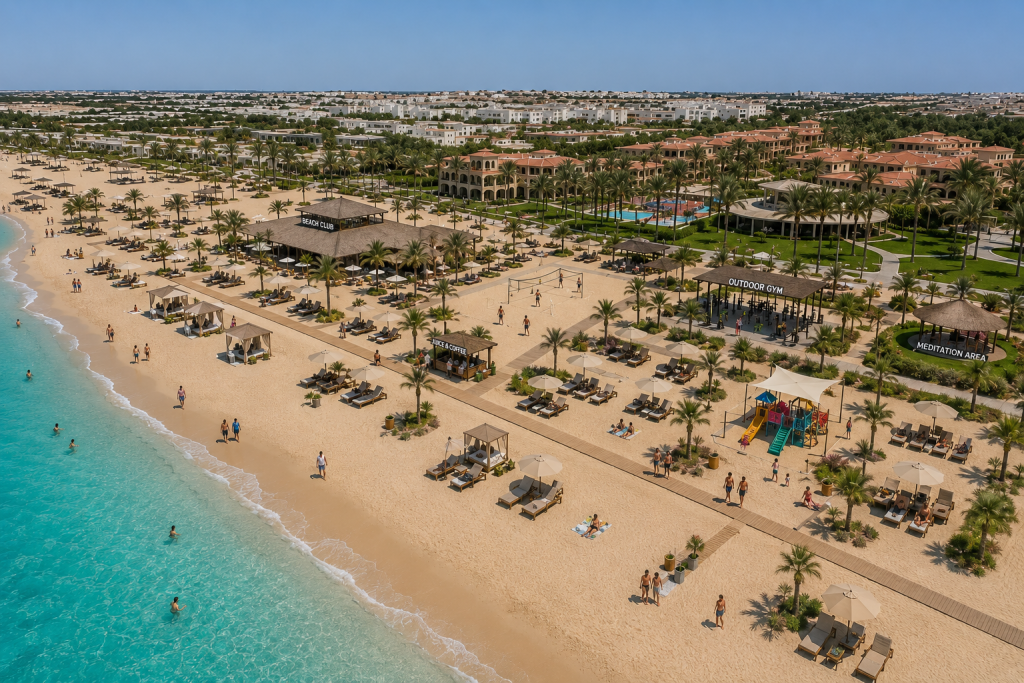
The most vibrant sections of the beach are typically anchored by Beach Clubs, which function as social hubs offering swimming pools, lounges, entertainment venues, and food and beverage services. Around these centers, planners organize complementary activities such as water sports, beach volleyball, paddle tennis, and fitness programs.
Quieter areas should be allocated for wellness activities including yoga decks, meditation gardens, walking trails, and outdoor gyms. Experience from leading wellness resorts demonstrates that guests increasingly seek spaces dedicated to mental and physical well-being, often away from high-energy entertainment zones.
Family-oriented destinations benefit from dedicated children’s play areas that combine safety, visibility, and proximity to food outlets. Similarly, pet-friendly beach zones are becoming increasingly popular, particularly in residential and mixed-use resort communities, where long-term homeowners expect amenities that accommodate their lifestyle.
An emerging trend is the introduction of beachfront working spaces and outdoor co-working lounges. As remote work continues to grow globally, many resorts now integrate shaded workstations, high-speed connectivity, and café services that allow residents and guests to combine leisure with productivity.
Beach Sunbathing Areas and Guest Comfort Infrastructure
The sunbathing area is one of the most intensively used components of any beach destination and requires careful planning to maximize comfort, privacy, service efficiency, and visual appeal. International best practices indicate that chaise lounges should be arranged in organized clusters rather than long continuous rows. This approach creates a more relaxed and exclusive atmosphere while preserving uninterrupted sea views and allowing adequate circulation between seating groups.
A combination of single loungers, paired loungers for couples, and family cabanas can accommodate different visitor profiles. Adequate spacing between units is essential to ensure privacy and prevent overcrowding, while maintaining sufficient capacity during peak seasons. Premium beachfront locations often integrate daybeds and shaded pergolas that provide elevated comfort and premium hospitality experiences.
Umbrellas should not only provide shade but also serve as multifunctional service points. Modern resort design increasingly incorporates discreet safeboxes mounted on umbrella posts, allowing guests to securely store personal belongings while enjoying beach and water activities. Likewise, integrated ashtrays can help maintain beach cleanliness in designated smoking zones, while strategically located litter receptacles contribute to efficient waste management and preserve the environmental quality of the shoreline.
Service stations should be positioned within convenient walking distances to support food and beverage delivery, towel services, and guest assistance without disrupting the natural beauty of the beachfront. Lifeguard stations, first-aid facilities, drinking water points, and shaded rest areas should also be distributed throughout the sunbathing zone to enhance safety and comfort.
The most successful beach destinations view the sunbathing area not simply as a place to sit, but as a carefully designed hospitality environment where convenience, cleanliness, privacy, and service quality work together to elevate the overall guest experience.
The Science of Food and Beverage Planning
Food and Beverage (F&B) planning plays a decisive role in the success of a beachfront destination. Industry experience consistently shows that guests tend to move within comfortable walking distances, making strategic placement of dining venues essential.
Casual dining restaurants, cafés, juice bars, and snack kiosks should be distributed throughout the beachfront to ensure accessibility and convenience. These venues support daytime activity and encourage longer beach stays.
Fine dining restaurants, on the other hand, are typically positioned at premium waterfront locations where sunset views, privacy, and architectural character can enhance the overall experience. Successful resorts often place fine dining establishments at visual landmarks, headlands, marinas, or elevated beach terraces to create memorable destination experiences.
The most effective beach destinations create a hierarchy of F&B experiences, allowing visitors to transition naturally from morning coffee, to casual lunches, to sunset lounges, and finally to evening fine dining without leaving the beachfront environment.
Balancing Sports, Recreation, and Social Interaction
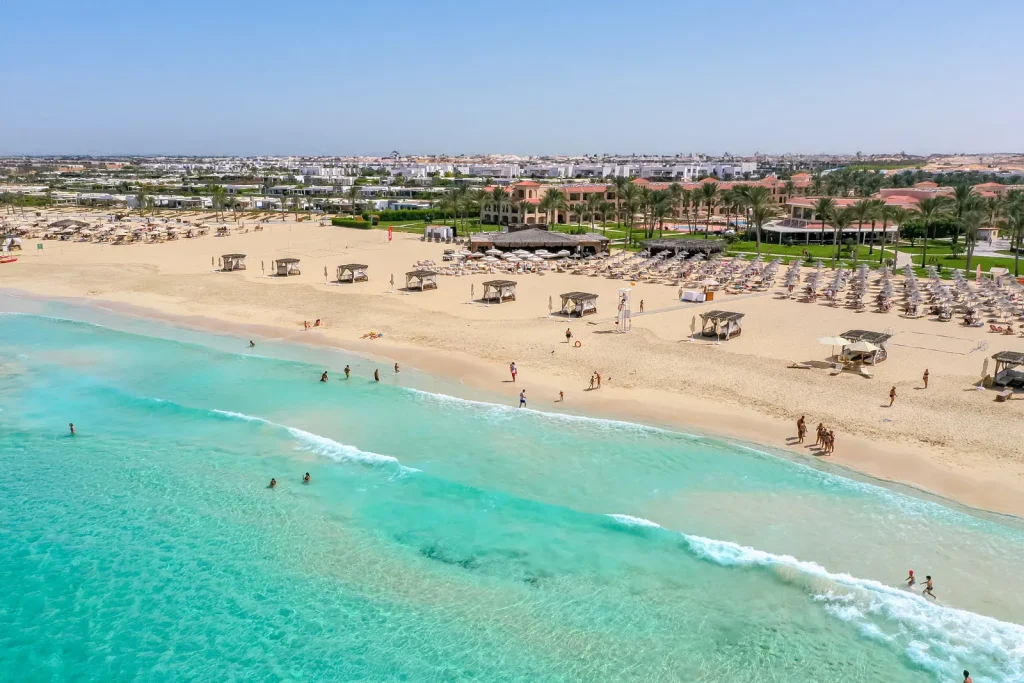
A successful beach environment caters to diverse interests and age groups. Water-based activities may include sailing, kayaking, paddleboarding, kite surfing, snorkeling, and diving. Land-based activities often include jogging tracks, outdoor fitness stations, beach football, volleyball courts, and cycling routes.
Equally important are low-intensity recreational activities. Chess gardens, board game lounges, reading areas, and shaded social gathering spaces provide opportunities for mental stimulation and community interaction. These amenities often attract residents and long-stay visitors who seek more than traditional resort entertainment.
The key planning principle is to separate noisy and high-energy activities from quiet wellness and relaxation zones while maintaining convenient connectivity between them.
Accessibility: The Foundation of Beach Success
Even the most attractive beach destination can underperform if accessibility is poorly planned. The journey to the beach should be effortless, intuitive, and enjoyable.
For resort residents and vacation homeowners, planners must carefully evaluate mobility patterns across the entire destination. International best practices increasingly favor reducing private vehicle access near the beachfront. Excessive car traffic diminishes the pedestrian experience, creates safety concerns, and compromises the resort’s visual character.
Many successful coastal resorts therefore establish peripheral parking areas combined with internal transportation systems. Golf cars, electric shuttles, bicycles, and pedestrian promenades provide efficient mobility while preserving a relaxed and environmentally friendly atmosphere.
In larger resort communities, strategically located mobility hubs can allow residents to park once and continue their journey via electric transportation networks. This approach improves safety, reduces congestion, minimizes environmental impacts, and enhances the overall guest experience.
At the same time, suniversal accessibility must be incorporated throughout the beachfront. Continuous pedestrian pathways, ramps, beach-access mats, shaded rest areas, and accessible facilities ensure that elderly visitors, families with children, and people with disabilities can comfortably enjoy the destination.
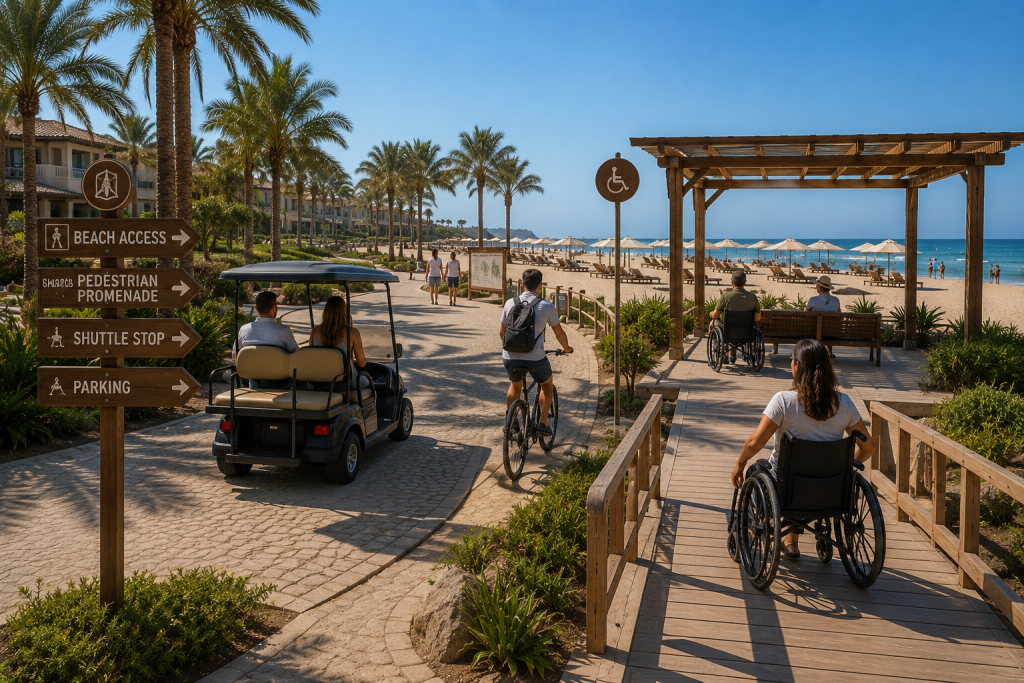
The world’s most successful coastal resorts demonstrate that when beach clubs, restaurants, sports facilities, wellness zones, children’s areas, pet amenities, sunbathing areas, and transportation systems are thoughtfully planned together, the beach becomes more than an attraction—it becomes the vibrant heart of the resort. By prioritizing accessibility, diversity of experiences, and seamless movement, developers can create beachfront destinations that serve residents and visitors alike while generating lasting economic and social value.
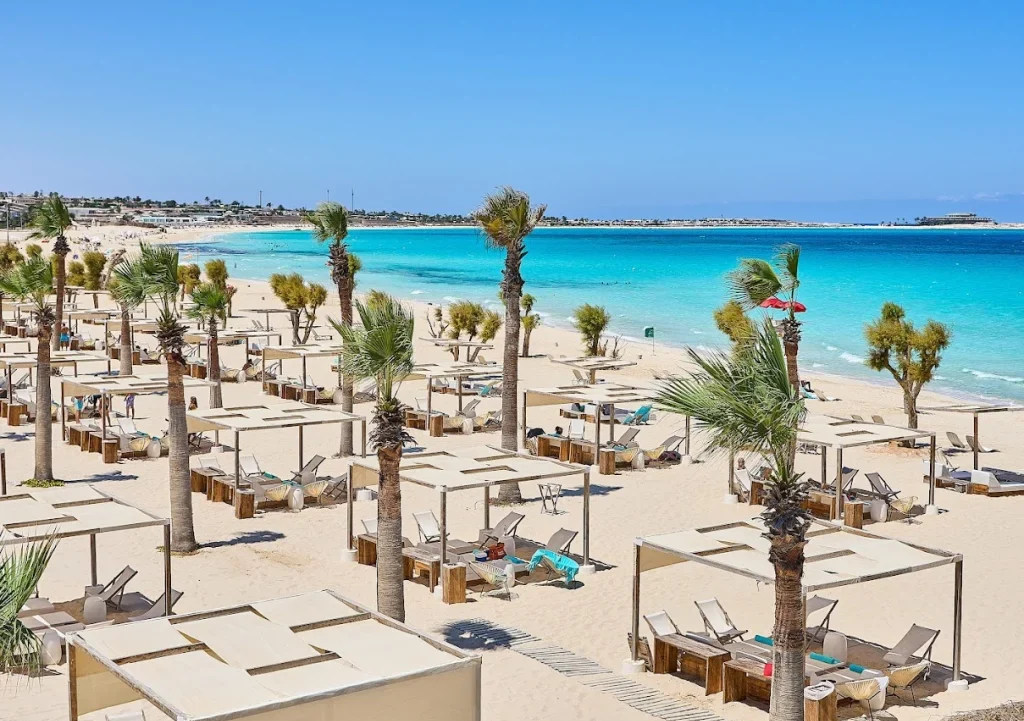
Photo for Sidi Heneish Village Resort Botanical Beach Set-up over the pristine waters of Marsa Matrouh, Egypt.
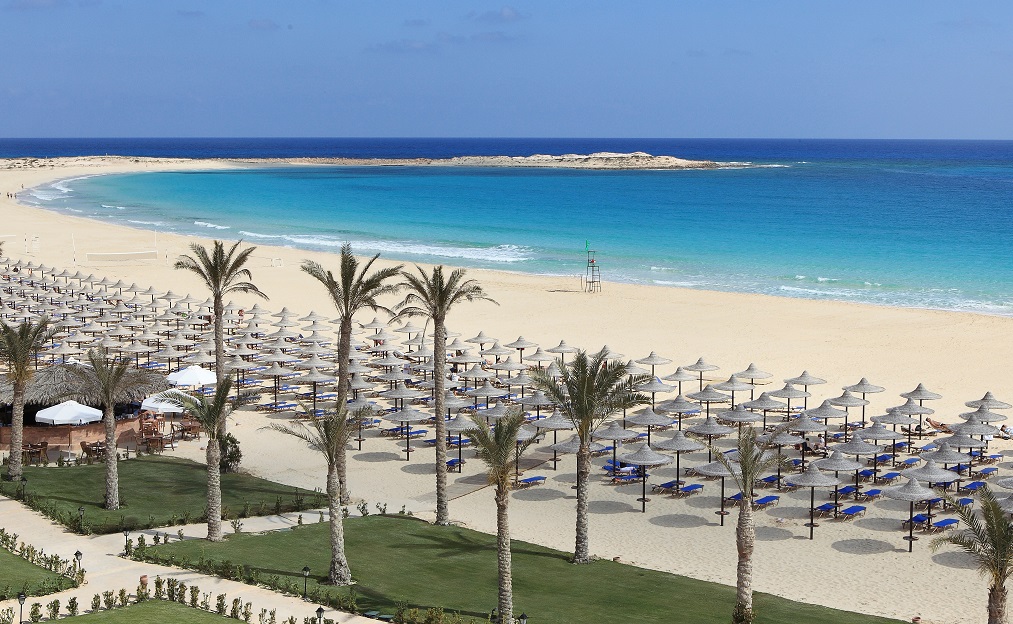
Beautifully Landscaped Beach of Almaza Bay Beach on Egypt’s North Coast