Every April, Milan becomes the global capital of design. Beyond the exhibition halls of Salone del Mobile, the city transforms into a living laboratory where architecture, interiors, craftsmanship, technology, and culture intersect. Across districts such as Brera, Tortona, Isola, and Porta Venezia, designers and brands present not only products but ideas about how we will live, work, and experience spaces in the future.
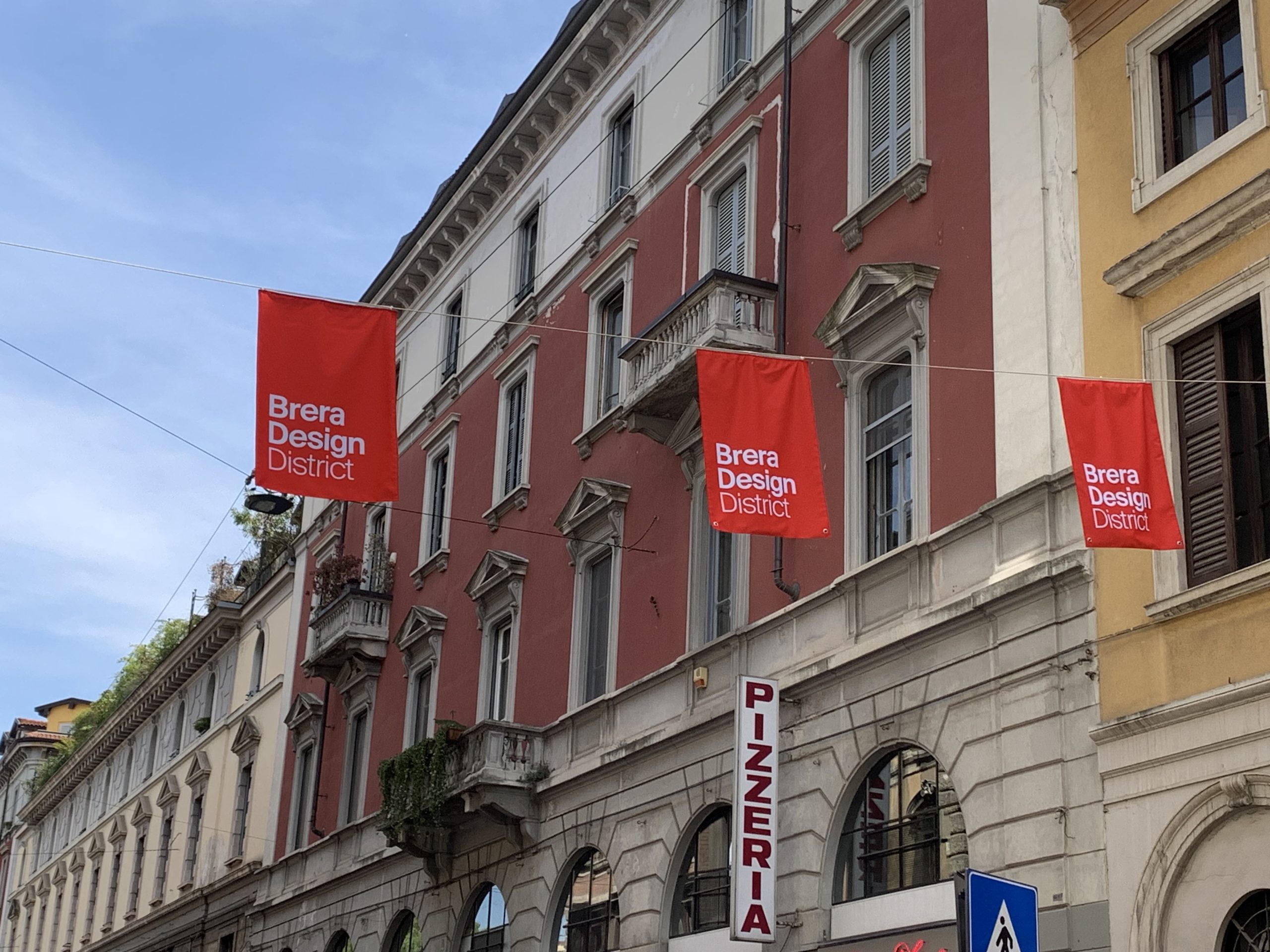
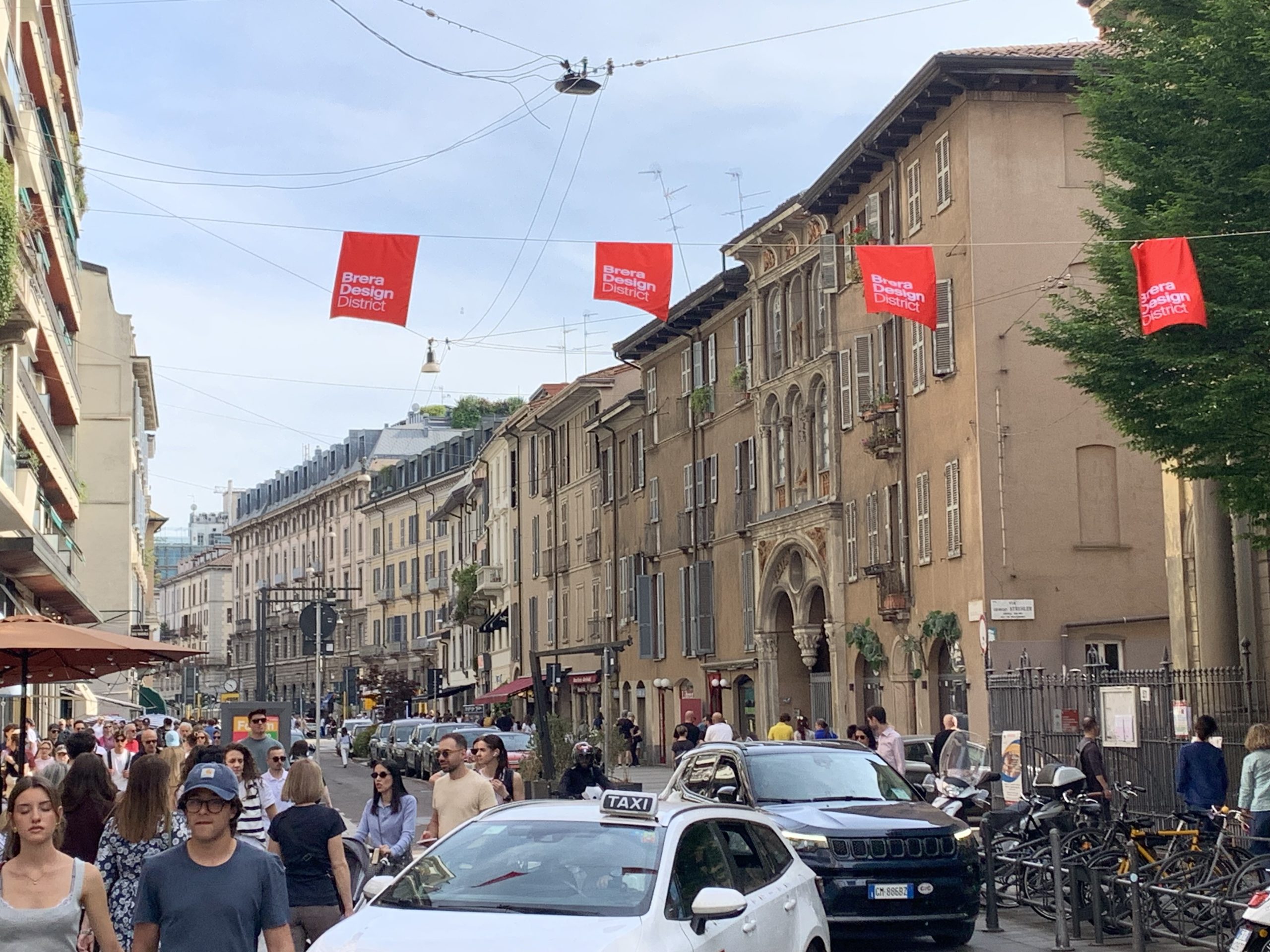
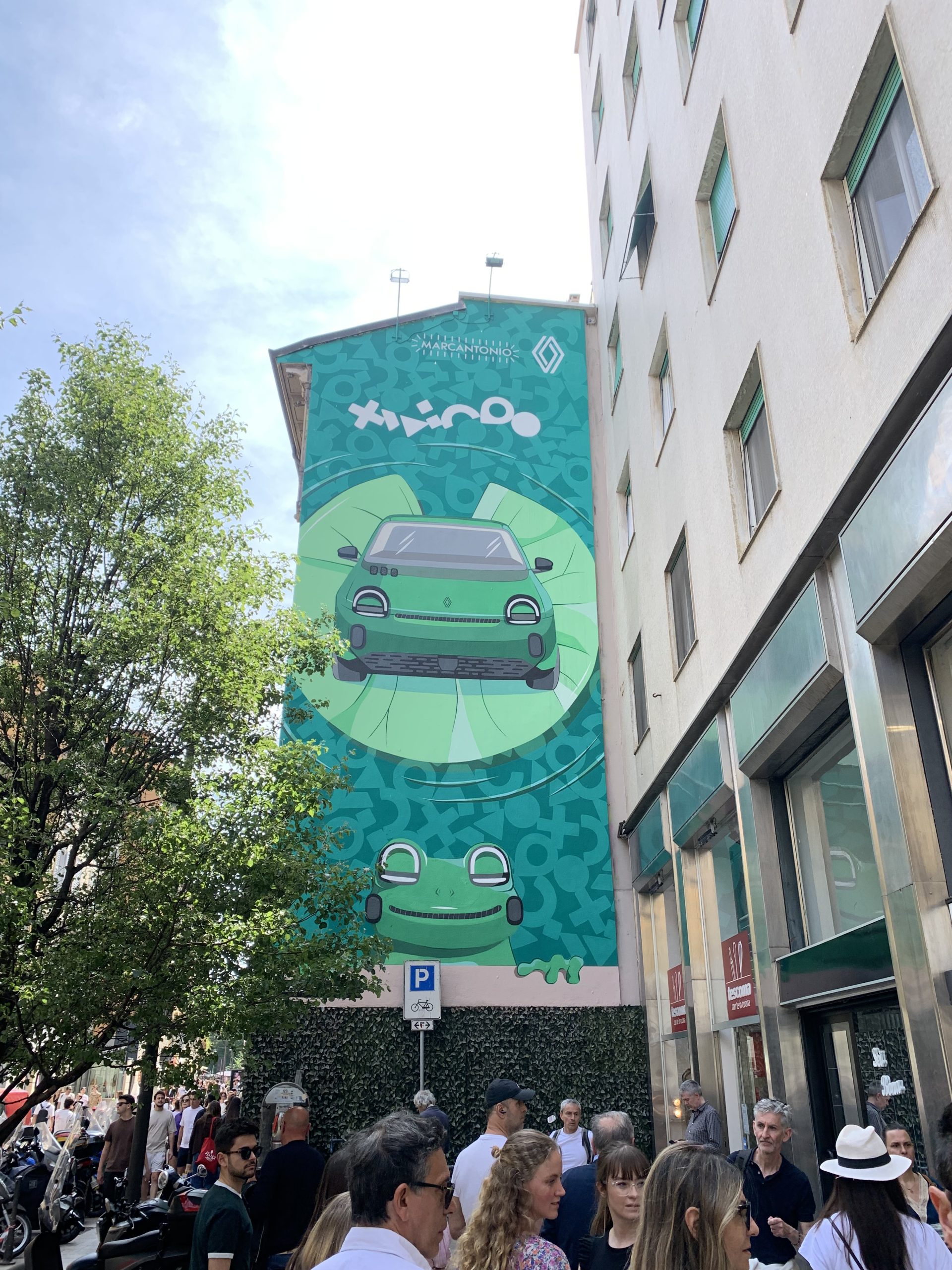
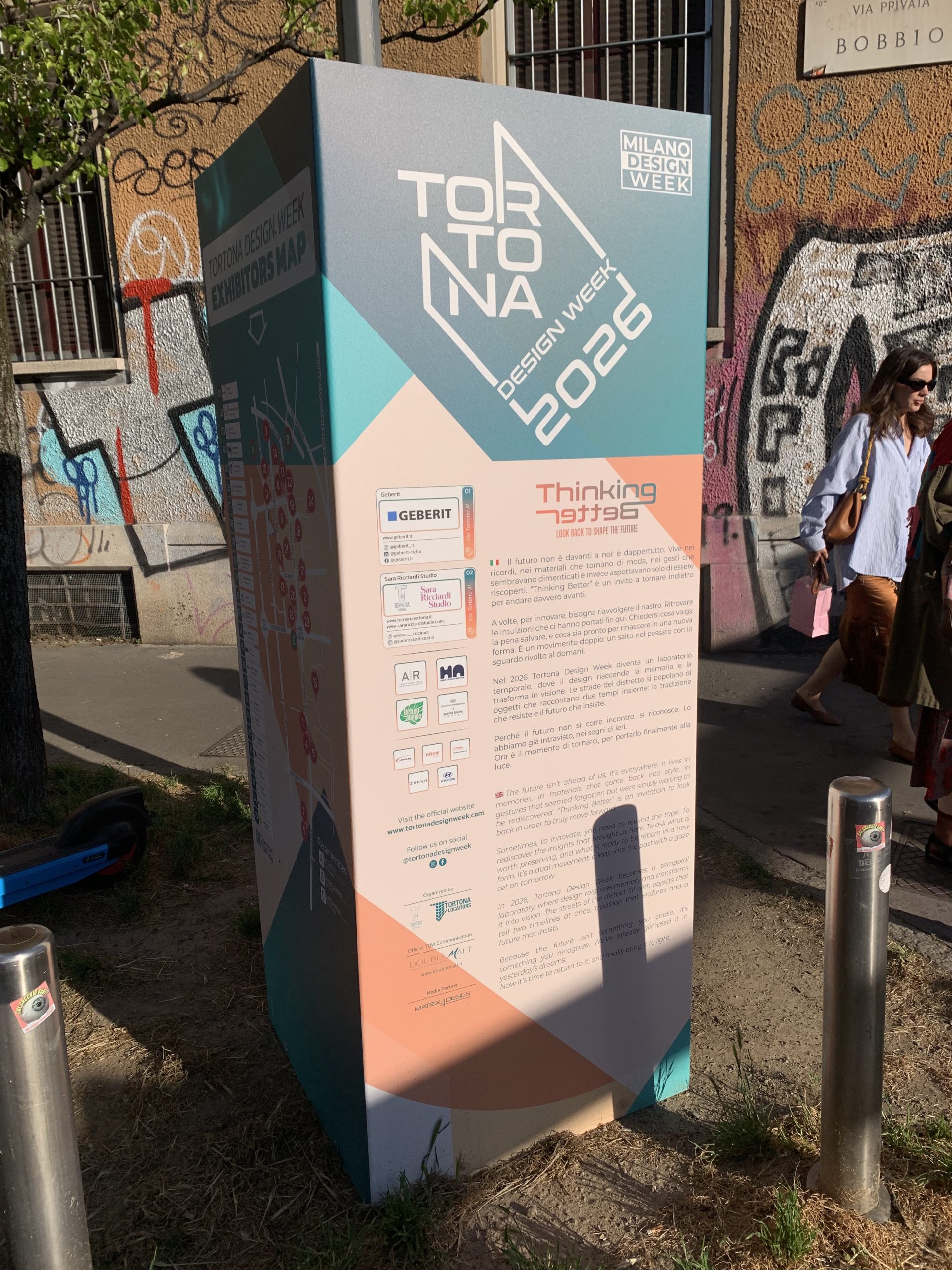
This year, LIVMOR’s continuous appetite to explore the future of spaces motivated our design team to spend a week exploring Milan Design Week and Fuorisalone, observing installations, exhibitions, material innovations, and emerging design narratives. Rather than focusing on individual products, we sought to understand the broader signals shaping contemporary design culture.
What emerged was not a collection of short-lived trends, but a series of deeper shifts influencing the future of the built environment and indicators of how spaces are evolving in response to changing lifestyles, technologies, and human expectations.
Here are seven observations that we believe will influence the future of design and build projects across the Middle East and beyond.
- Authentic Materials Are Replacing Artificial Perfection
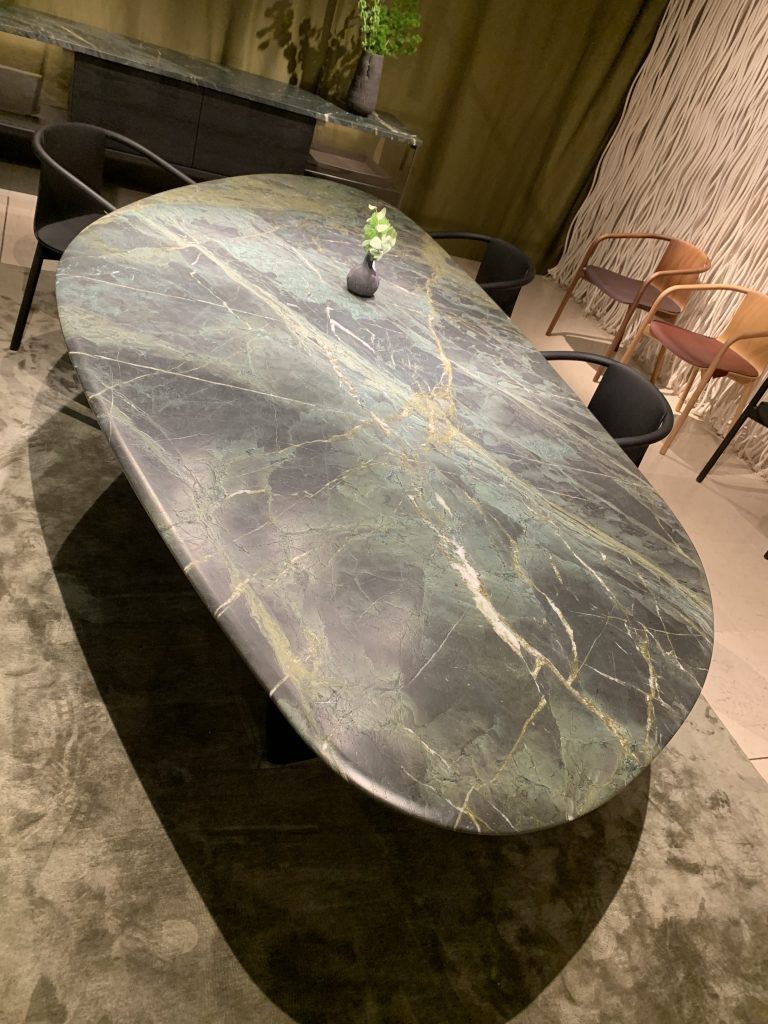
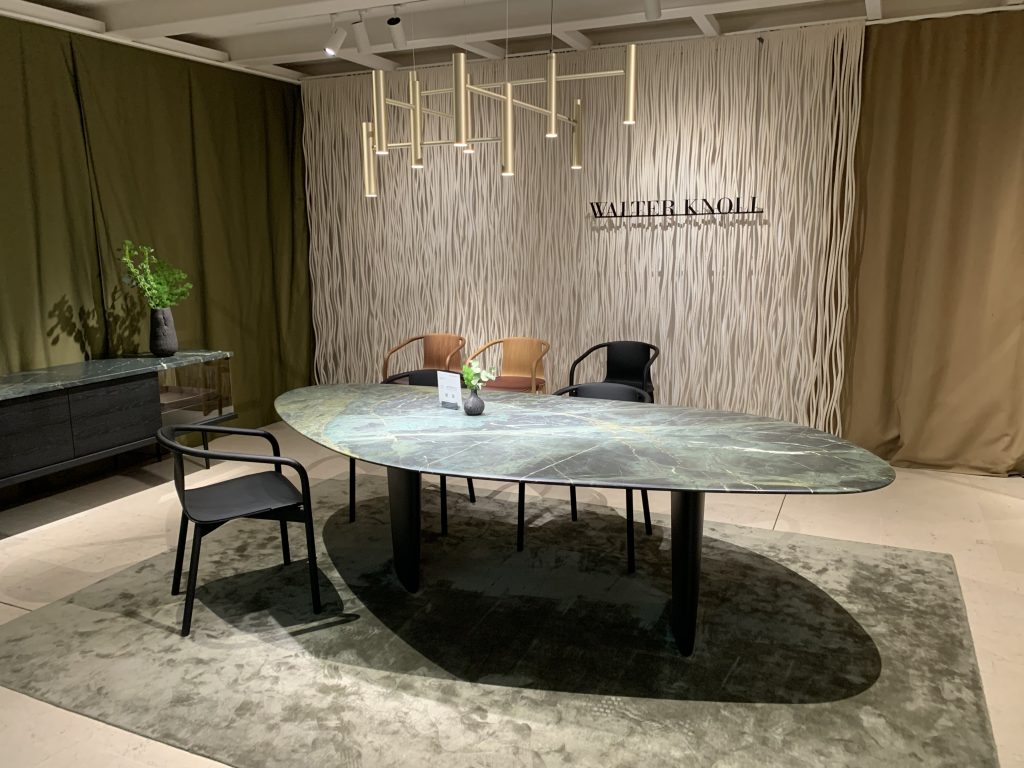
Across Milan, the most compelling spaces celebrated natural materials and craftsmanship. Stone revealed its imperfections, timber displayed its grain, and metals were allowed to age gracefully. Designers appeared increasingly interested in authenticity rather than perfection.
For clients, this signals a growing desire for environments that feel genuine, timeless, and emotionally connected to place.
The Return of Material Authenticity
-
- Natural stone
- Raw metals
- Honest craftsmanship
- Rustic Wood Textures
- Quiet Luxury Continues to Mature
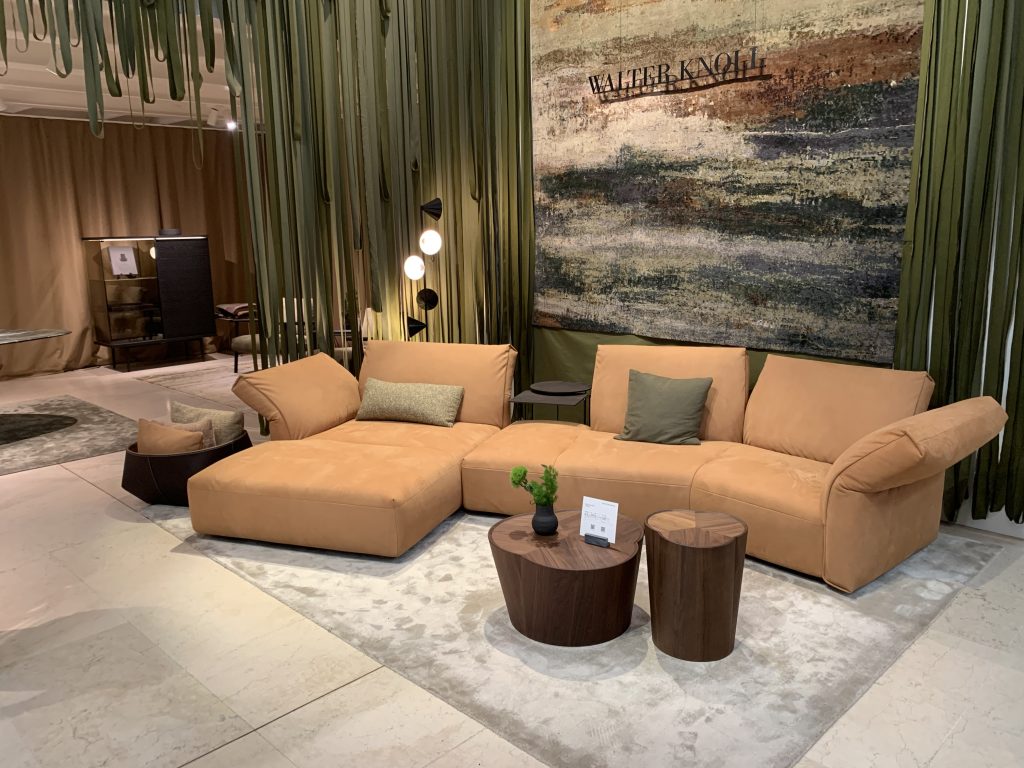
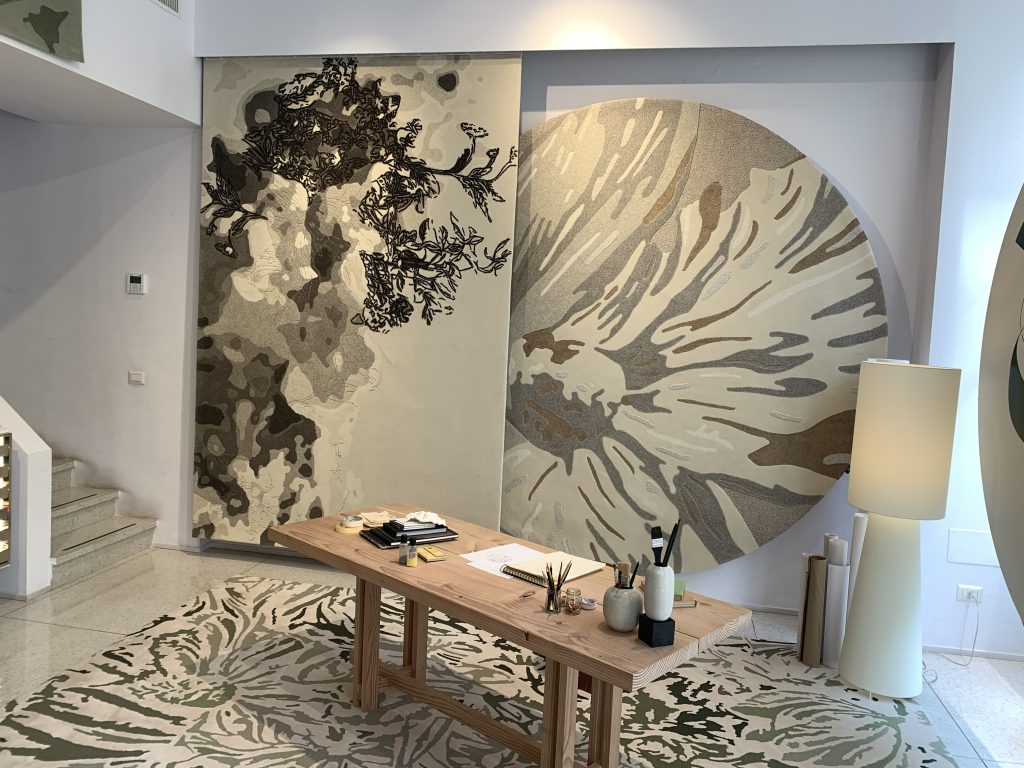
Luxury was rarely expressed through visual extravagance. Instead, it appeared through proportion, scalability, detailing, texture, lighting, and material quality. The most memorable spaces felt calm, balanced, and intentional.
The future premium environment is understated, sophisticated, and timeless. What is identified as a premium design is becoming less about visual statement and more about creating immersive serene experiences.
Quiet Luxury Replacing Visual Excess
-
- Warm minimalism
- Timeless detailing
- Less elements, more experience
- Hospitality Is Influencing Every Sector
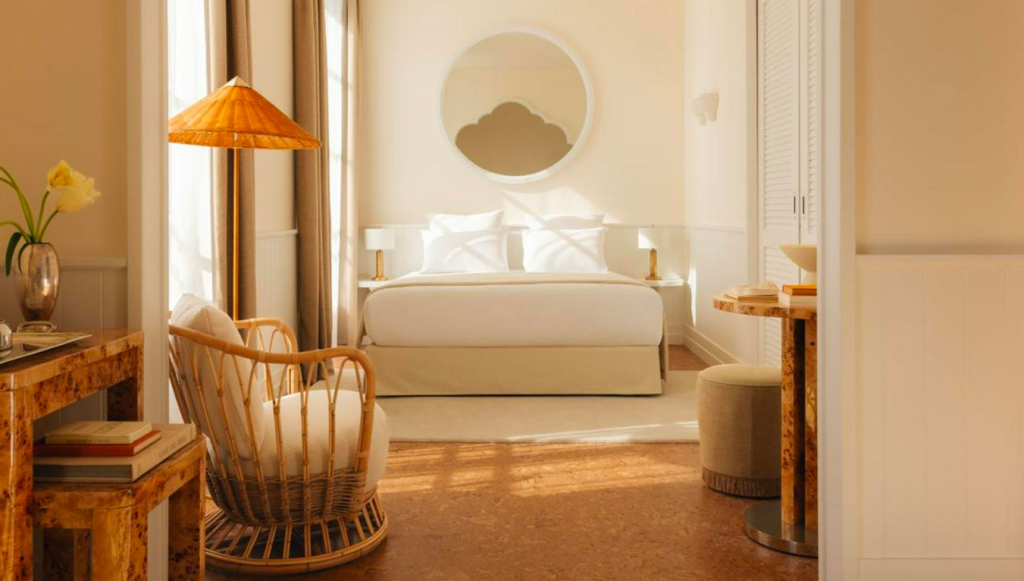
One of the strongest themes observed throughout Milan was the convergence of hospitality, residential, and workplace design. Offices are becoming more welcoming, while residential environments increasingly borrow the comfort and service philosophy of boutique hotels.
People now expect experiences, not simply spaces.
The Rise of Residential Hospitality
-
- Homes feeling like boutique hotels
- Offices feeling like lounges
- Sustainability Has Become Integrated Rather Than Advertised
Sustainability was no longer presented as a separate design feature. Instead, it was embedded within material selection, production processes, product longevity, and circular design thinking.
This shift suggests that sustainability is becoming an industry expectation rather than a differentiator.
Sustainability Becoming Invisible
-
- Not marketed as a feature
- Embedded in products and systems
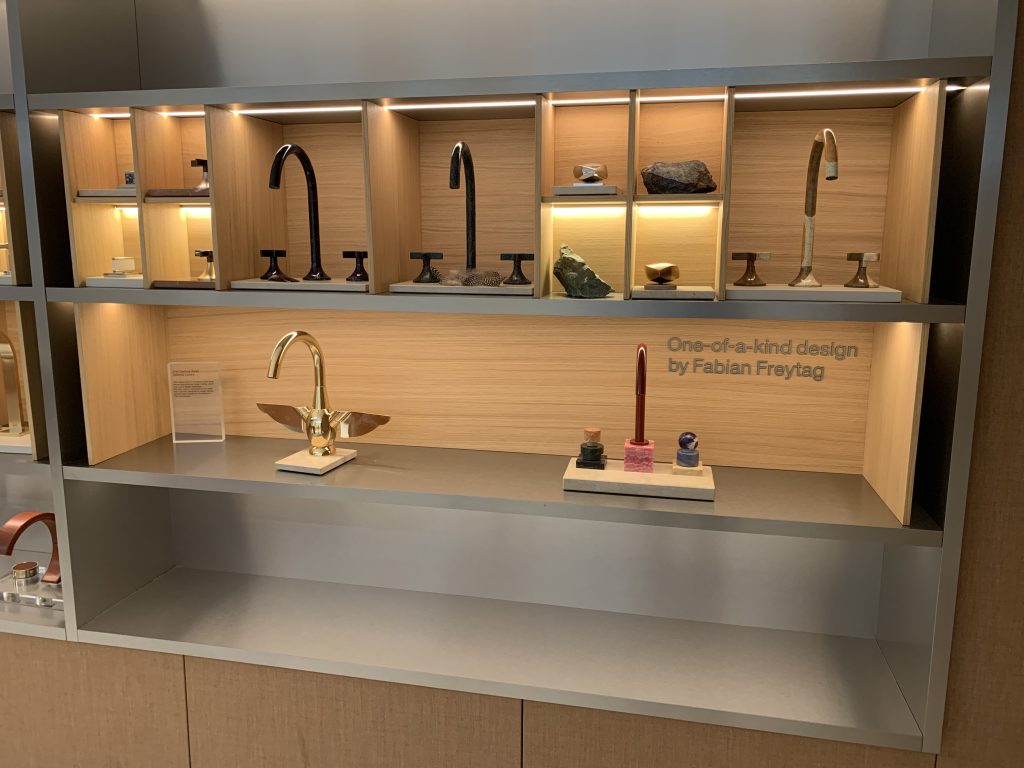
Fabian Freytag Faucet Designs for Dorn Bracht.
- Wellbeing Is Driving Spatial Decisions
Natural light, acoustic comfort, biophilic elements, and emotional wellbeing appeared consistently across exhibitions and installations. Designers are increasingly considering how environments support both physical and mental health.
Human-centered design is becoming a fundamental requirement for successful spaces.
Human-Centered Workplaces
-
- Comfort
- Acoustics
- Wellbeing
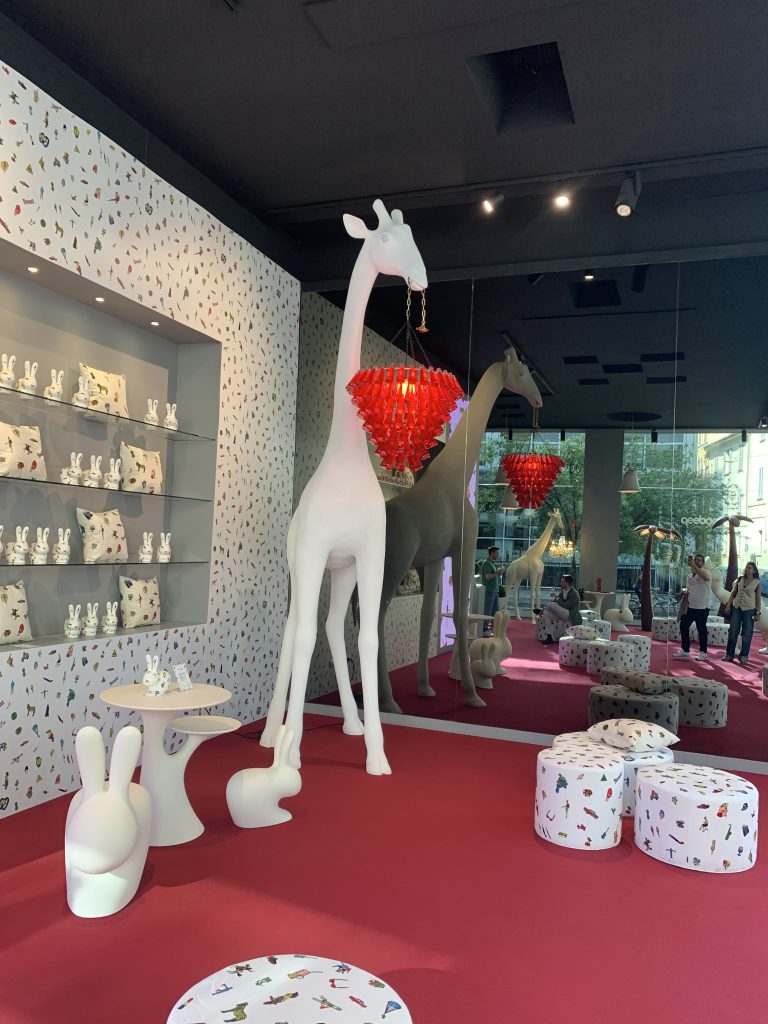
- Lighting Is Becoming an Architectural Material
Lighting has evolved beyond its functional role. Across Milan, light was used to shape atmosphere, define spatial identity, and create emotional connections.
When integrated early in the design process, lighting becomes a material in its own right.
Emotional Design through Light
-
- Layered lighting
- Atmospheric spaces
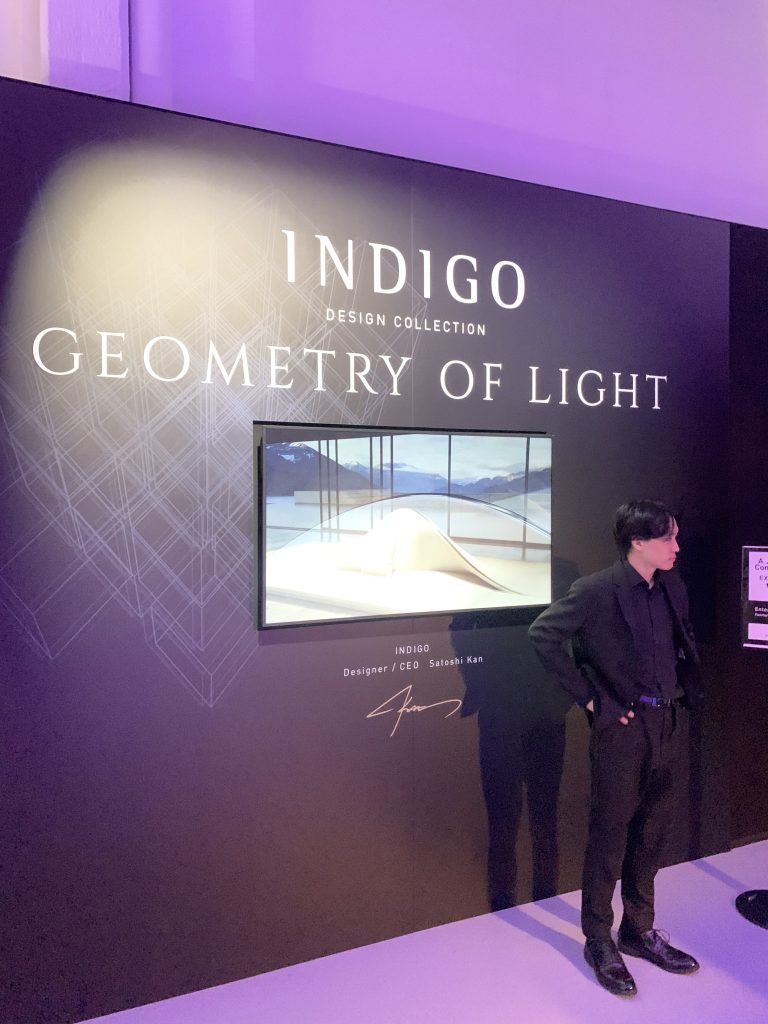
INDIGO Lounge introducing there new approach to Lighting Design.
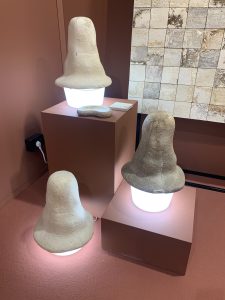
Lights that became an architectural object
- Global Design Is Seeking Local Identity
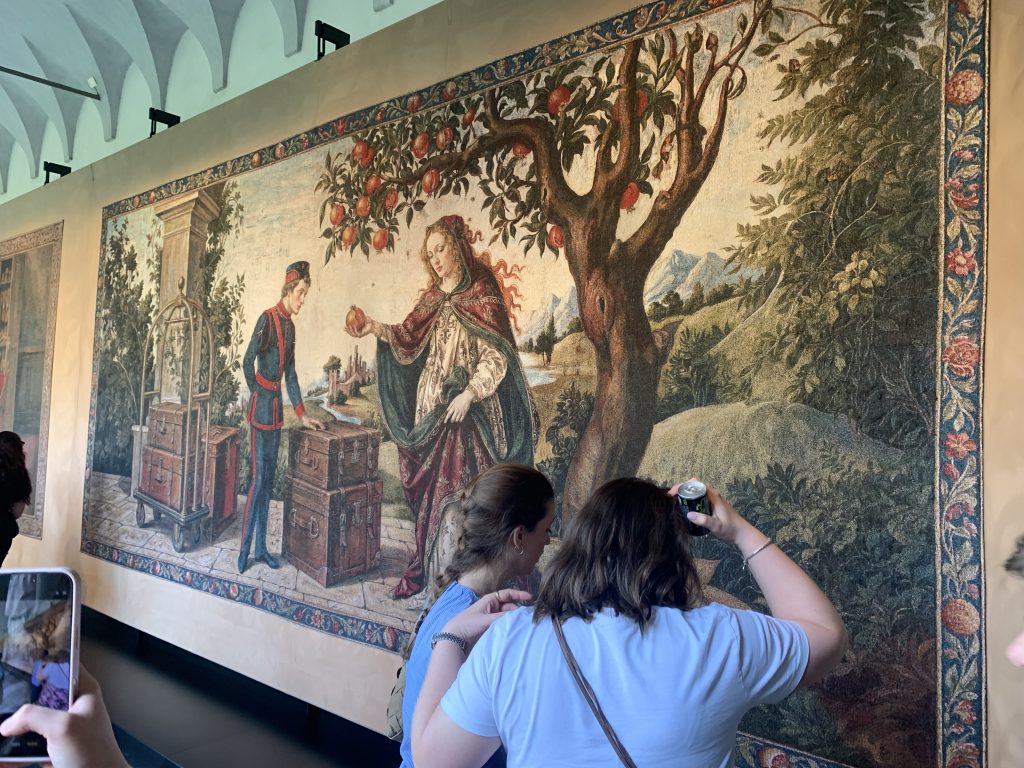
While Milan remains an international platform, many of the most impactful installations celebrated regional narratives, local craftsmanship, and cultural storytelling.
The most memorable projects today combine global standards with a strong sense of belonging to the nature of its surroundings and culture.
Local Identity in a Global World
-
- International design language
- Regional cultural expression
LIVMOR Perspective
For the Middle East, these signals are particularly relevant. As cities continue to evolve and expectations rise, successful projects will be those that balance innovation with authenticity, sustainability with practicality, and international influence with local identity.
Design today is no longer solely about aesthetics. It is about creating environments that support wellbeing, inspire connection, and deliver meaningful experiences.
For LIVMOR, Milan Design Week serves as more than an annual design destination. It is an opportunity to understand the forces shaping the environments of tomorrow.
While trends come and go, the strongest ideas observed across Milan shared a common theme: spaces are becoming more human, more authentic, and more meaningful.
As designers and builders, our role is not simply to follow these shifts, but to translate them into projects that create lasting value for our clients and communities.
We look forward to bringing these insights into LIVMOR’s upcoming projects.